

Hula Hooping: TCM-Inspired View on Stomach Acupressure Points


You may notice:
- Belly fat becoming more stubborn
- Increased bloating
- Lower energy levels
- Slower digestion
- Water retention

Even with dieting and exercise, the waistline may still feel difficult to manage.
From a Traditional Chinese Medicine (TCM) perspective, this may not simply be about eating too much or exercising too little.
Instead, it may reflect imbalance within the body’s internal systems — especially around digestion, circulation, stress, and energy flow.
Interestingly, hula hooping may support several of these areas naturally.
A TCM-inspired way to move your waist, stimulate your core, and bring attention back to your stomach area.
Understanding Belly Wellness in TCM
In TCM, the abdominal area is considered extremely important because it is closely connected to:
- The Spleen
- Stomach
- Digestive system
- Qi (energy flow)
- Blood circulation

When these systems become sluggish or imbalanced, women may experience:
- Bloating
- Water retention
- Fatigue
- Digestive discomfort
- Weight gain around the waist

TCM often describes this as:
- “Qi stagnation”
- “Dampness accumulation”
- Weak digestive energy
This is why many TCM wellness practices involve:
- Gentle movement
- Abdominal massage
- Circulation improvement
- Stress reduction

Hula Hooping Creates Rhythmic Abdominal Stimulation
Hula hooping continuously stimulates the waist and stomach area through circular rhythmic movement.
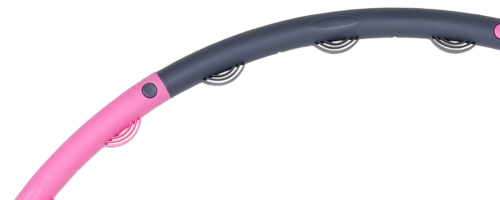
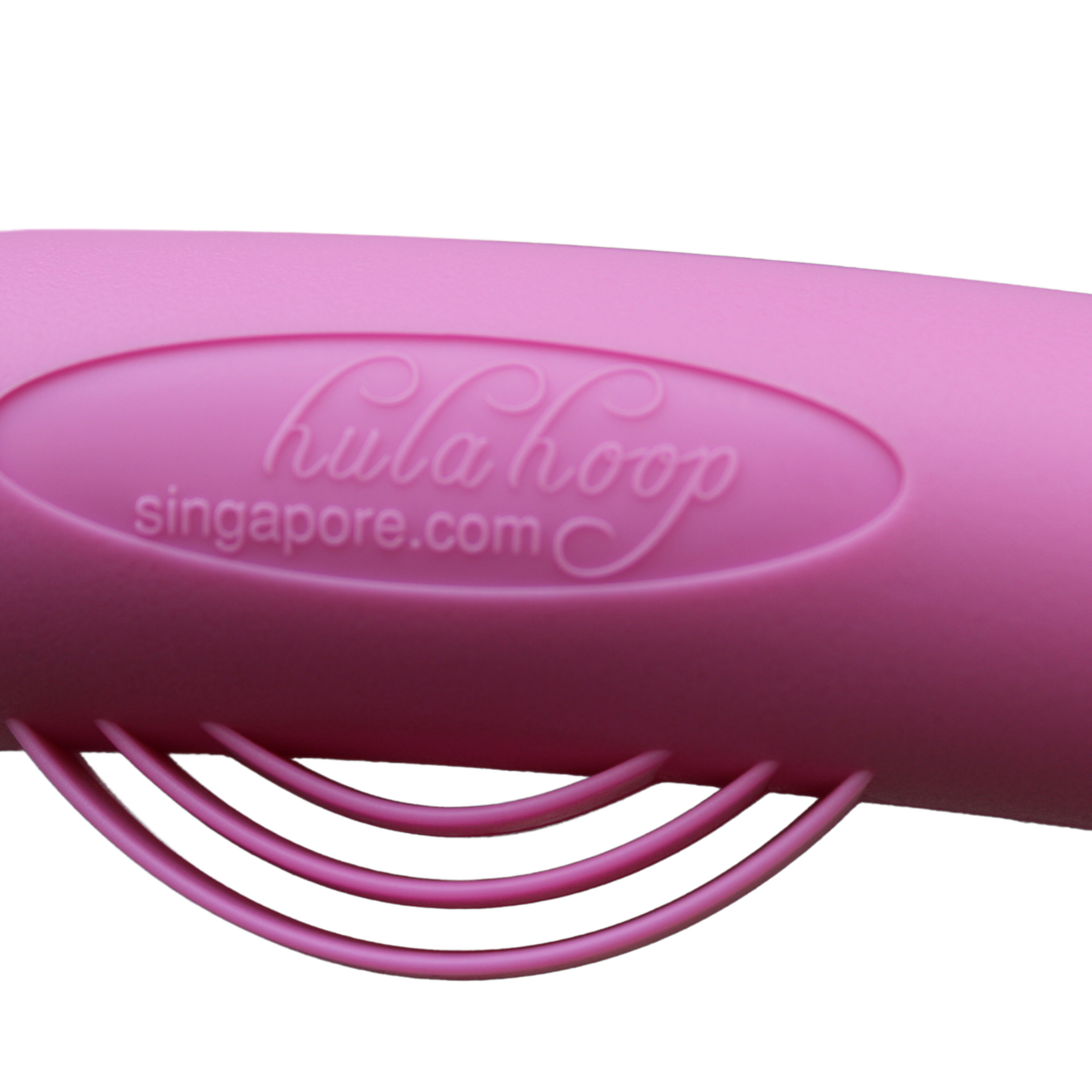
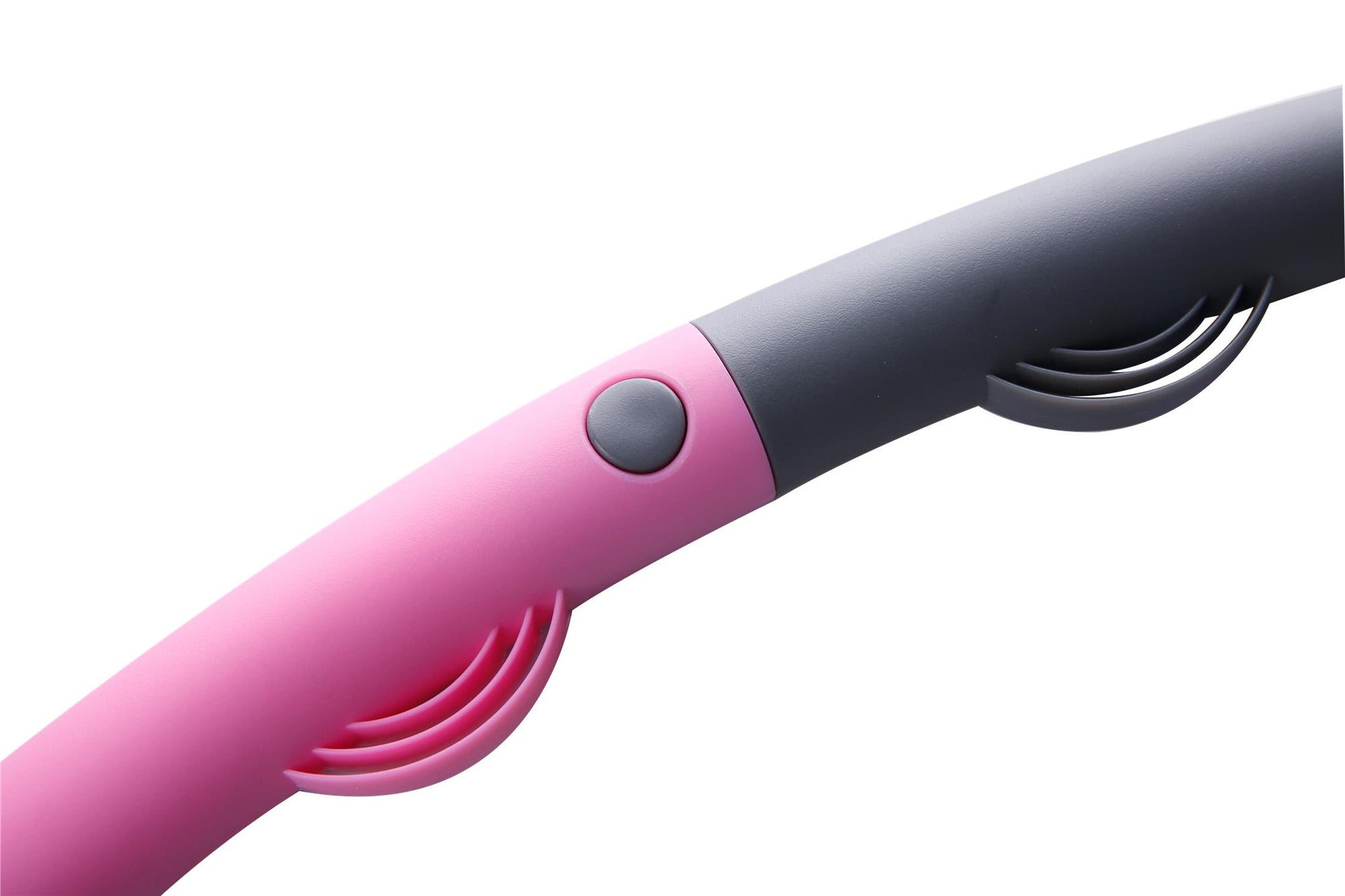
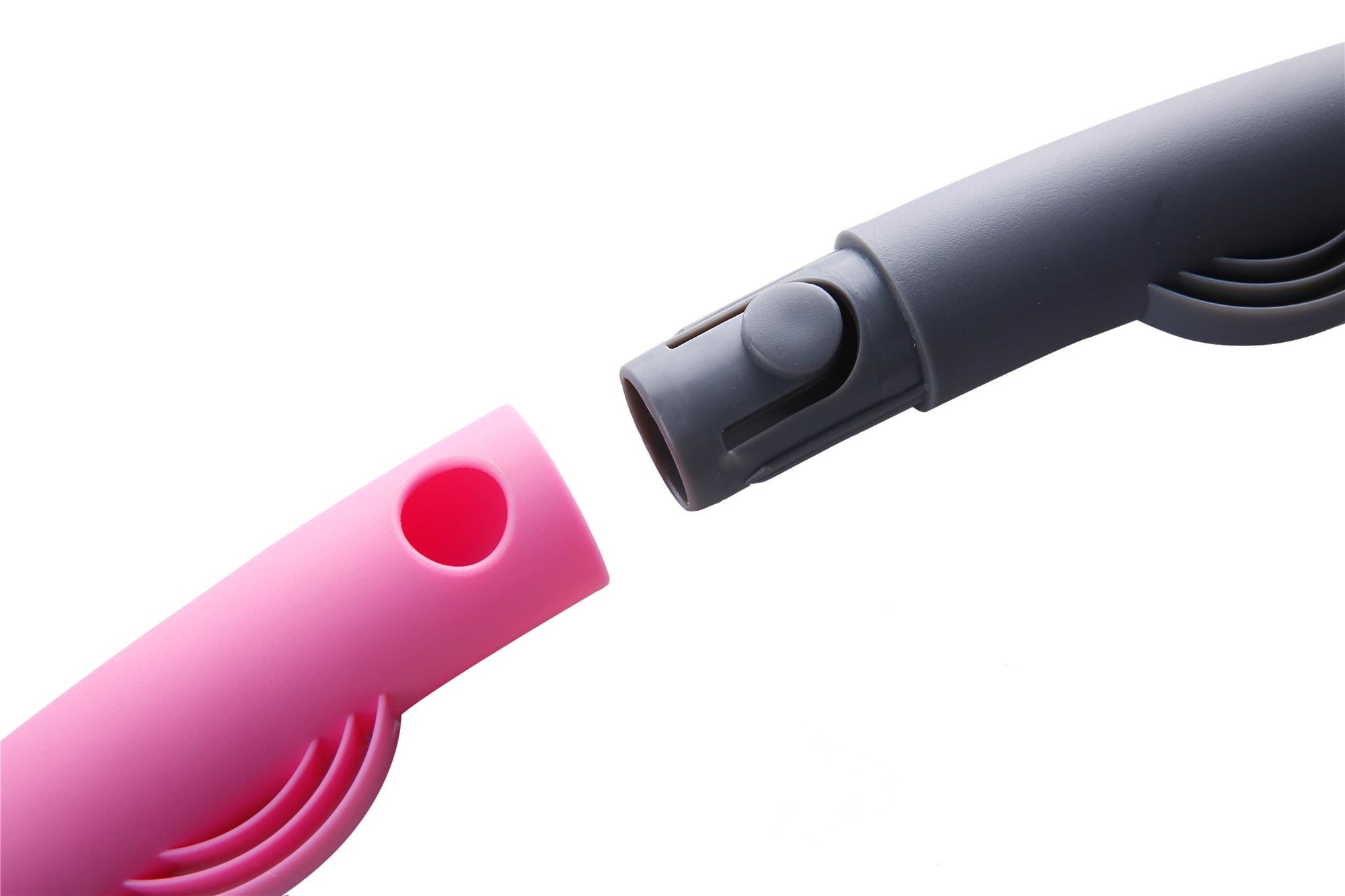
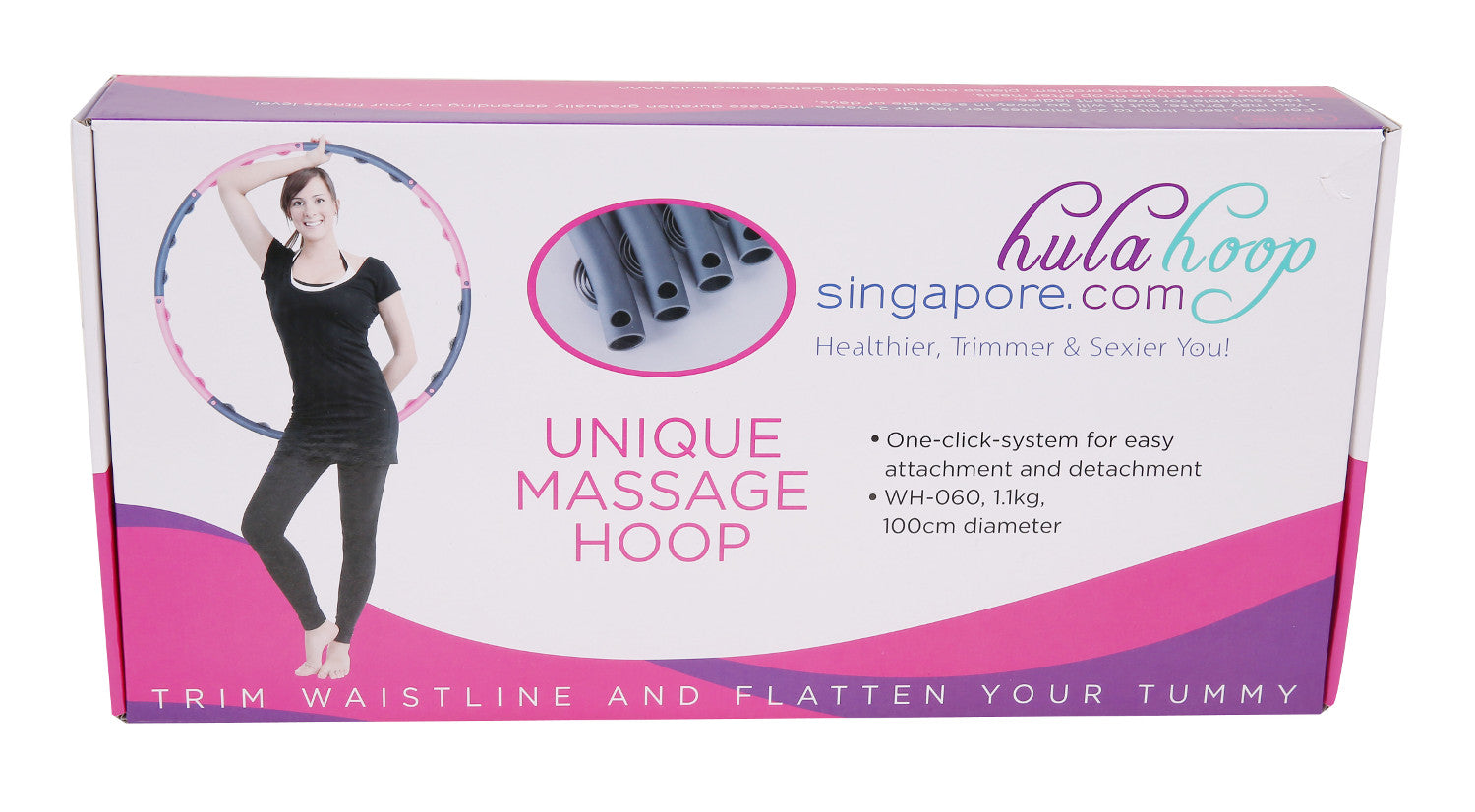
Unique Massage Hoop-
Stimulating Key Waist & Abdominal Pressure Points
Special inner waves provide repeated gentle pressure around the abdomen, waistline and lower back as you hoop.

After hula hooping, most women will feel:
- Less bloated
- More “open” around the waist
- Lighter after hooping
- More energised afterward
The Connection Between Circulation & Belly Wellness
The rotating motion of hula hooping continuously activates the midsection and lower back.
This movement may help support:
- Local blood circulation
- Core muscle activation
- Warmth around the abdomen
- Gentle lymphatic movement
Why Women Often Enjoy Hula Hooping
Women in perimenopause and postpartum stages often need:
- Low-impact movement
- Stress-friendly exercise
- Sustainable fitness habits
- Gentle abdominal support
Hula hooping offers:
- Fun movement
- Home convenience
- Core activation
- Rhythmic massage effect
- Emotional stress release
For busy moms and midlife women, this makes it easier to stay consistent without overwhelming the body.

A Gentle Reminder
While TCM perspectives can provide helpful wellness insights, hula hooping is not intended to diagnose, treat, or cure medical conditions.
Exercise Made Easy — Anytime, Anywhere
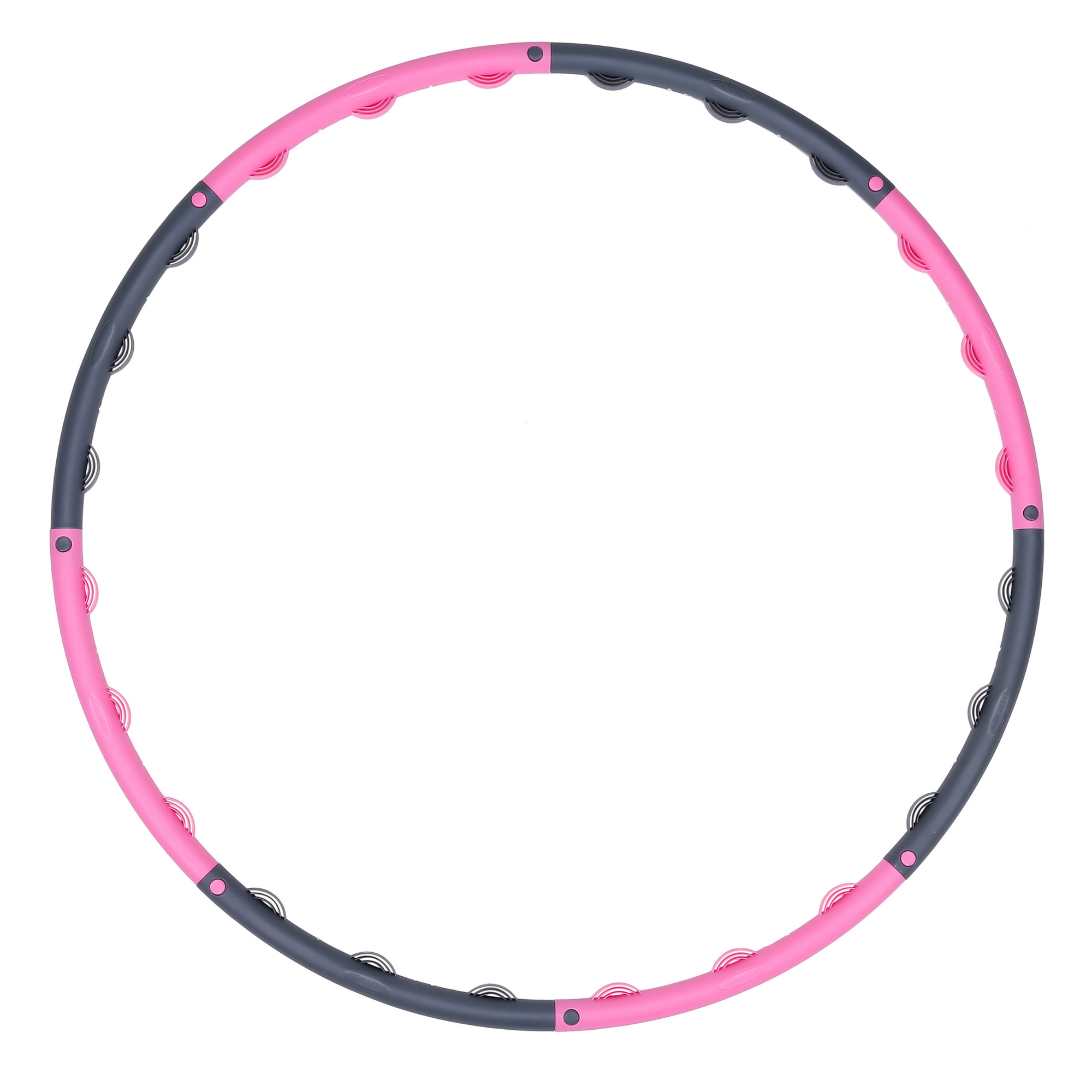
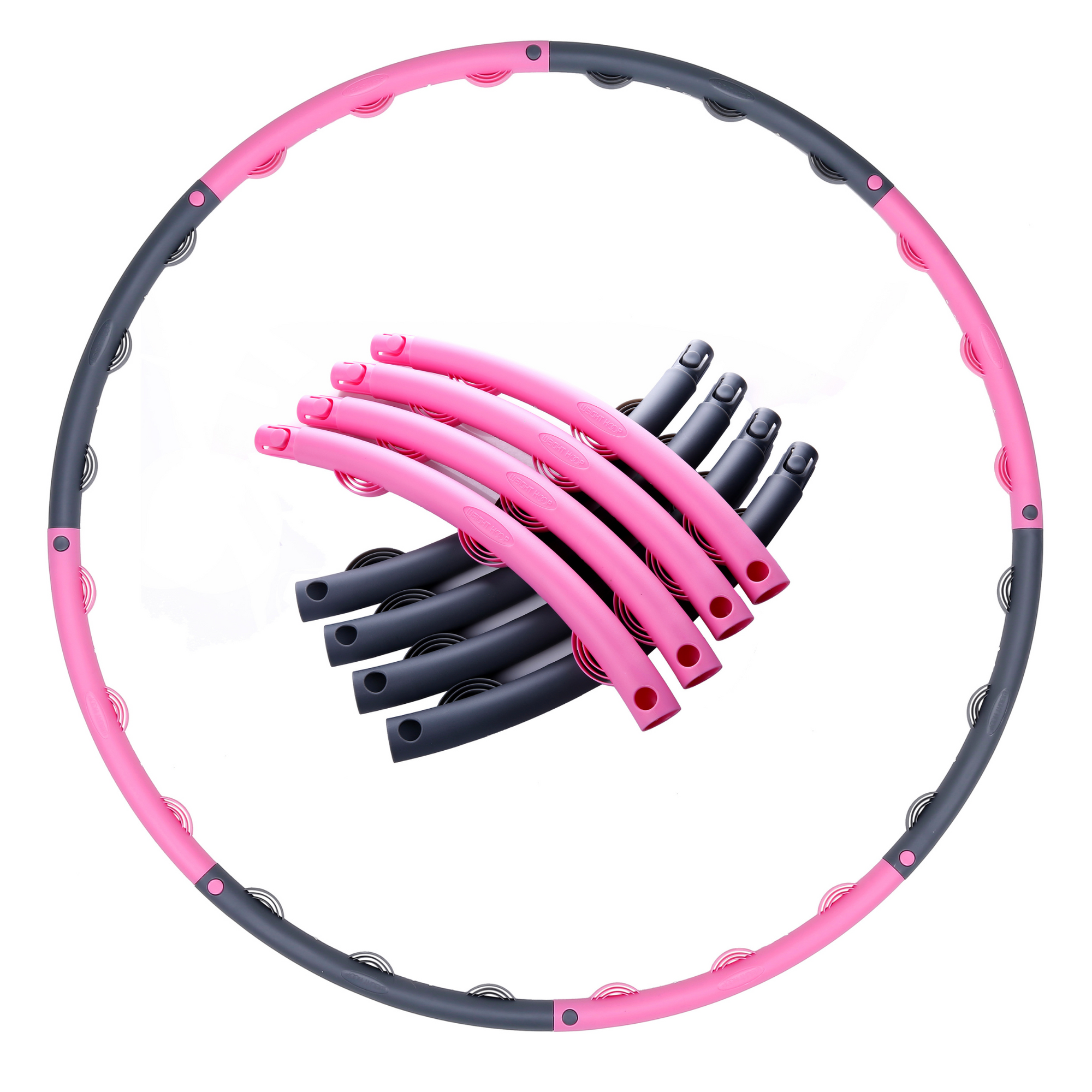
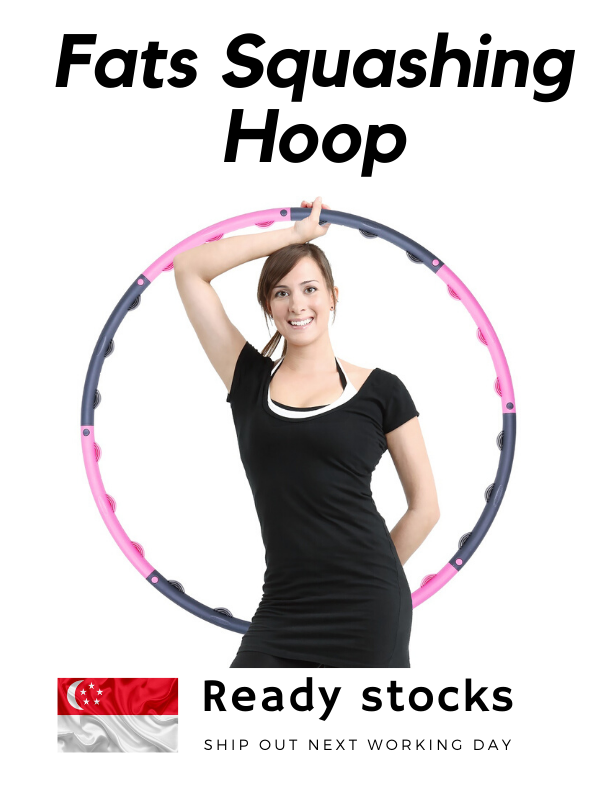

Hula hooping becomes a form of self-care.
Hula hooping combines movement, rhythm, abdominal stimulation, and gentle exercise into one enjoyable activity.
And for many women, that gentle daily rhythm becomes more than fitness.